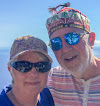
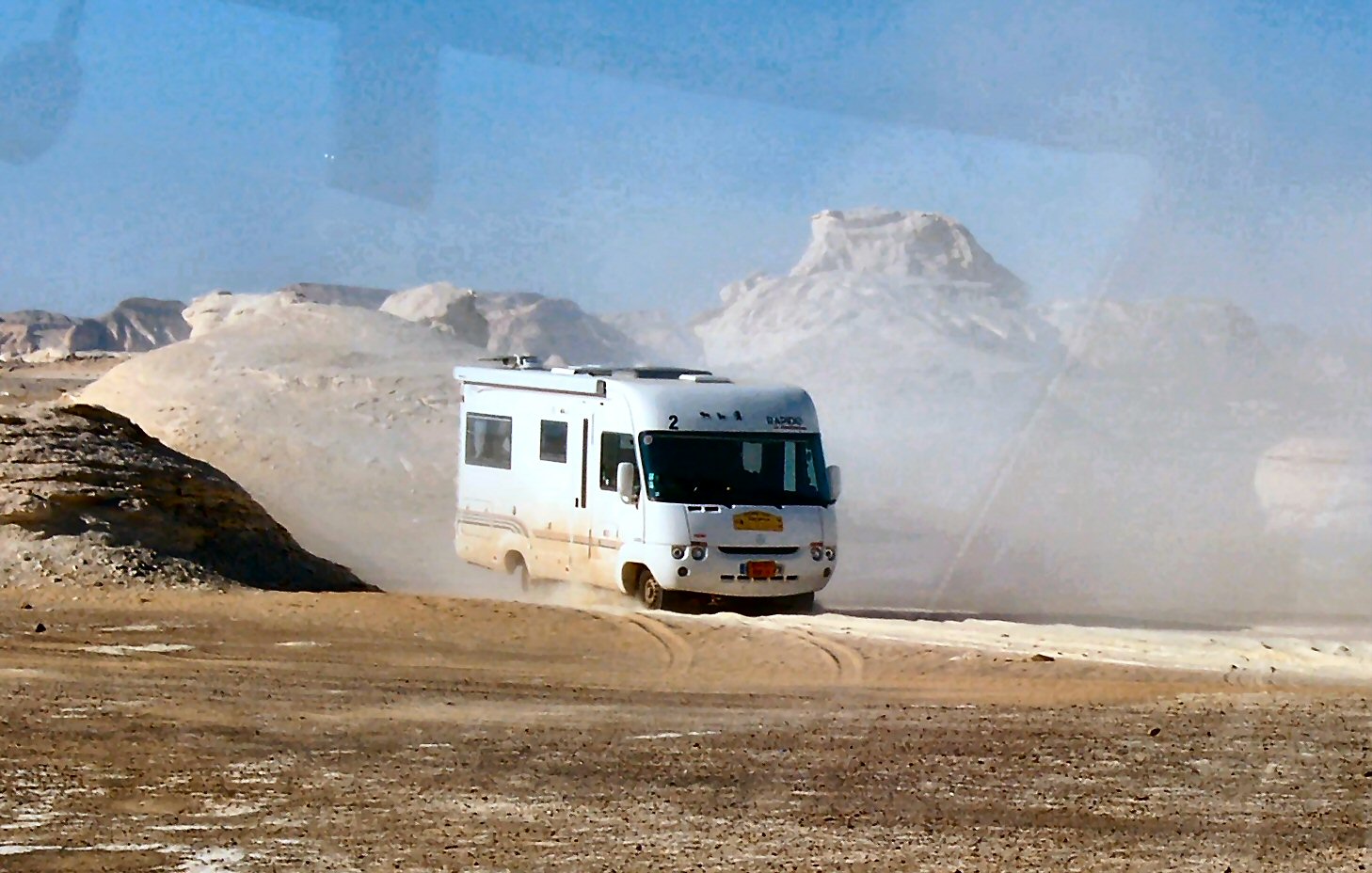
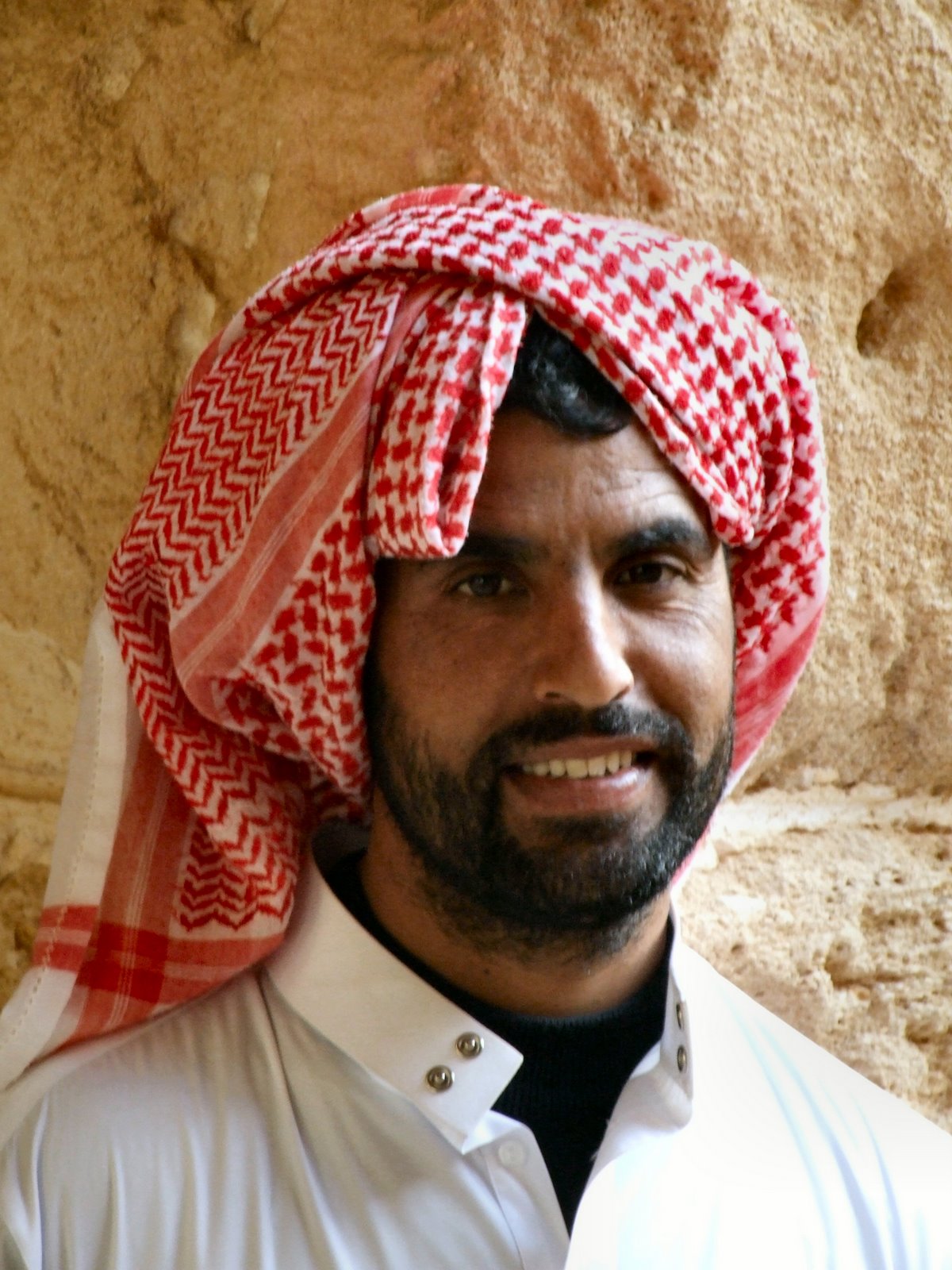
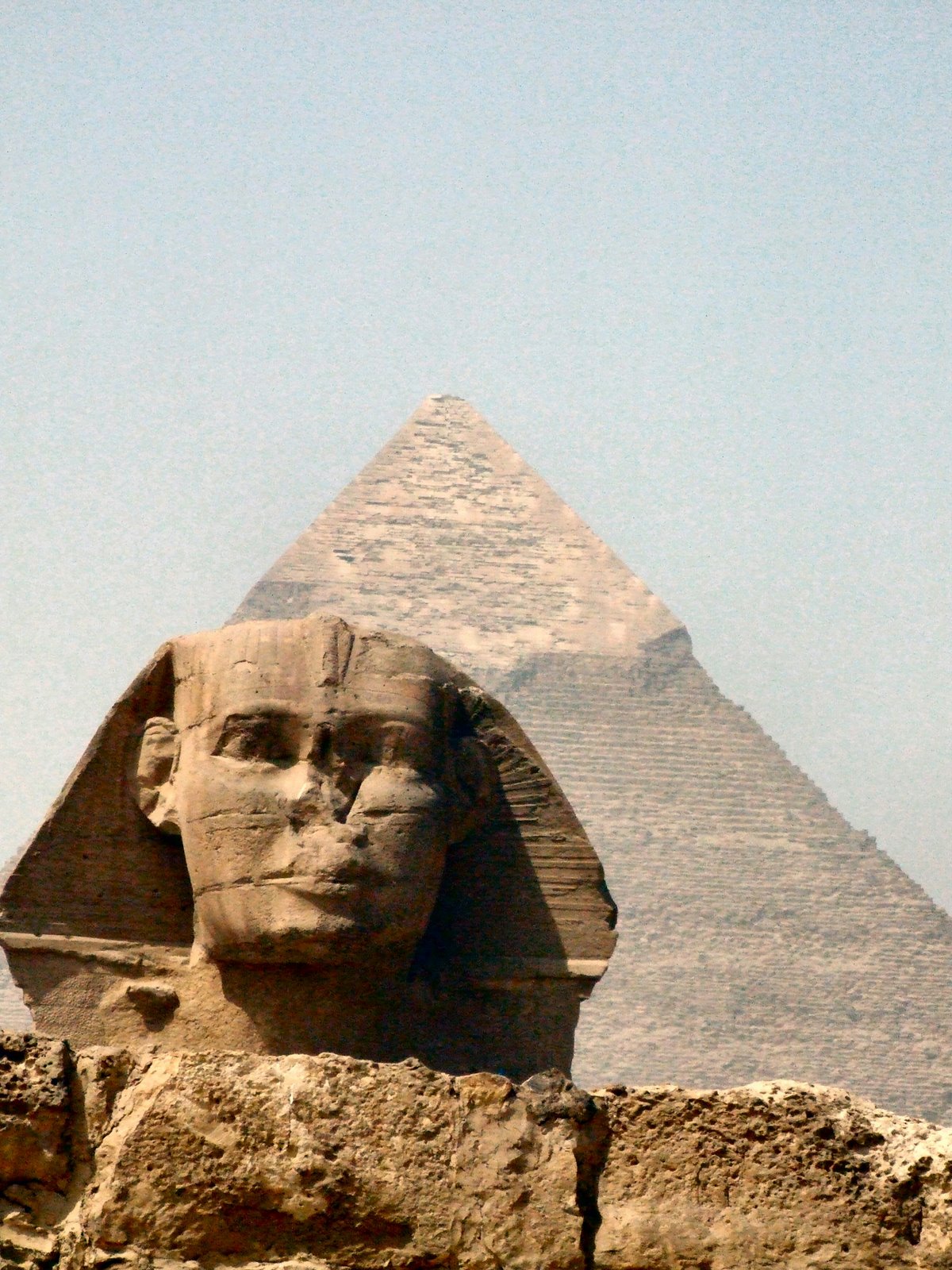
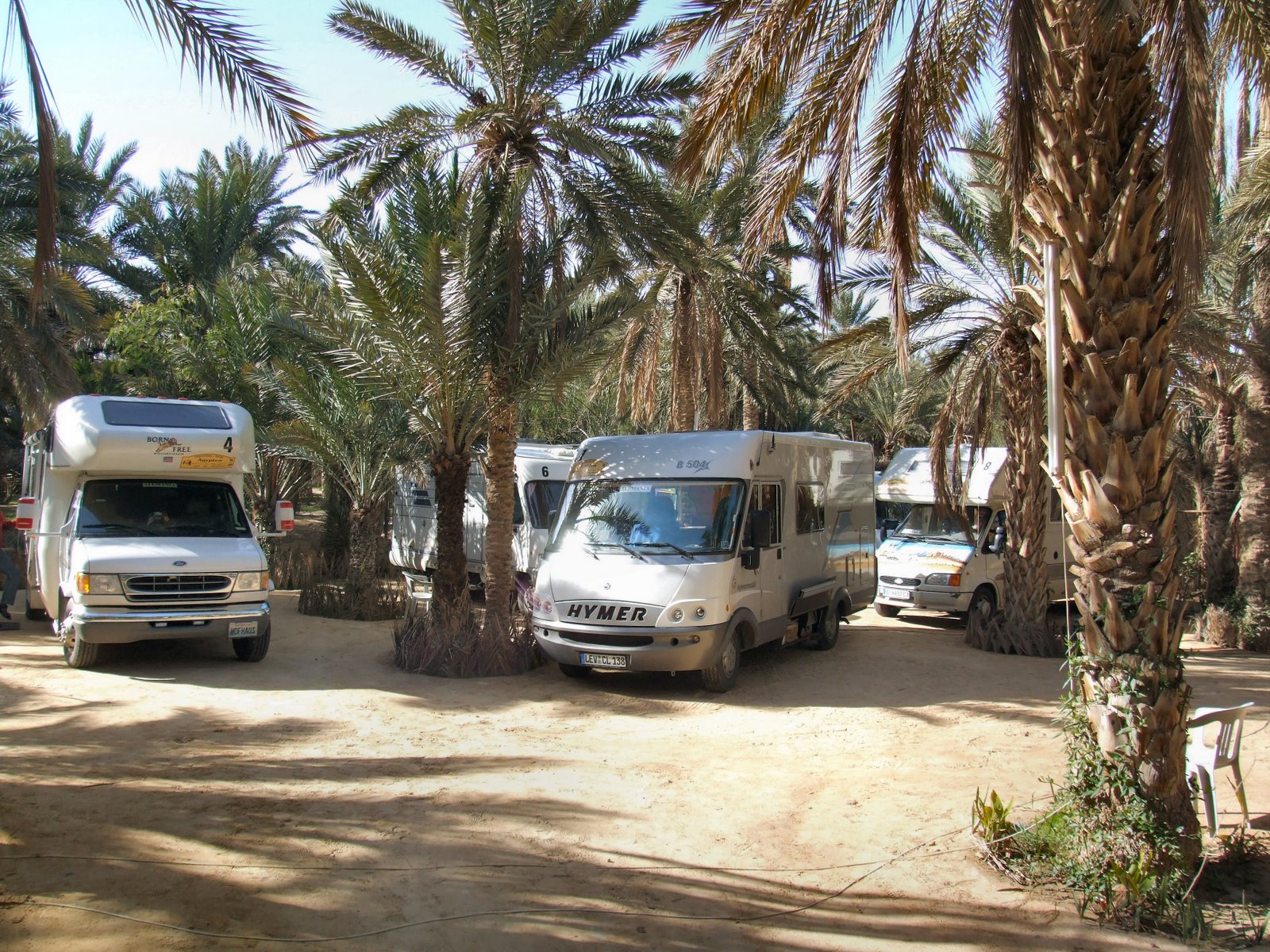
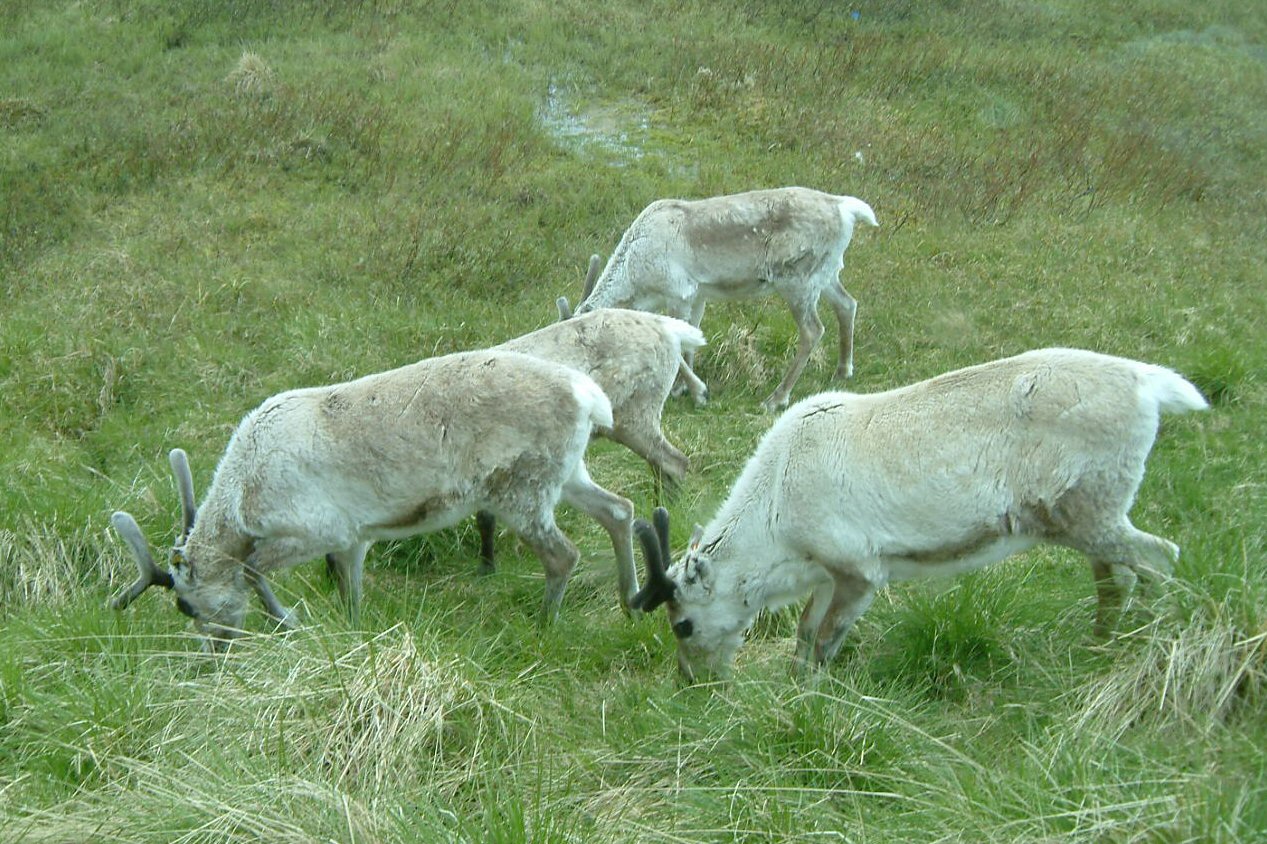
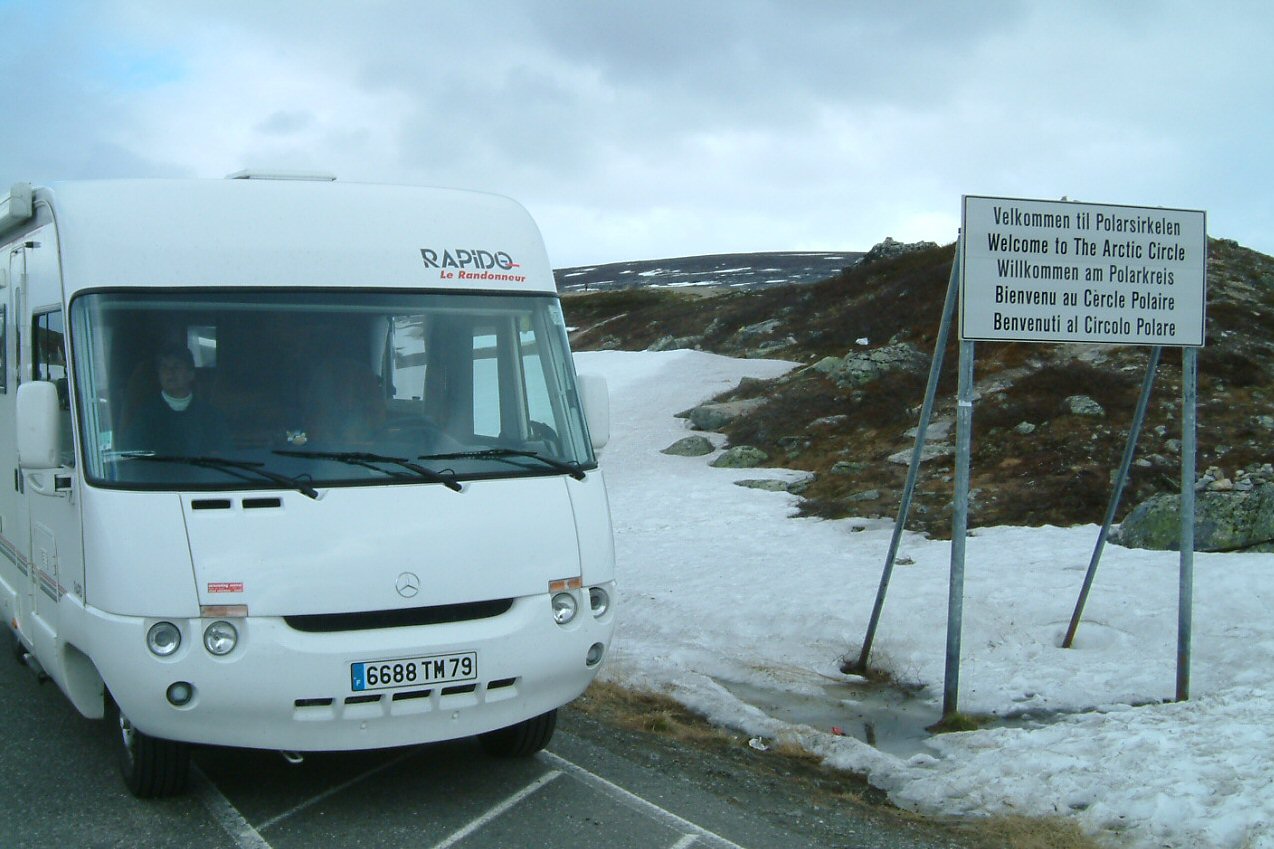
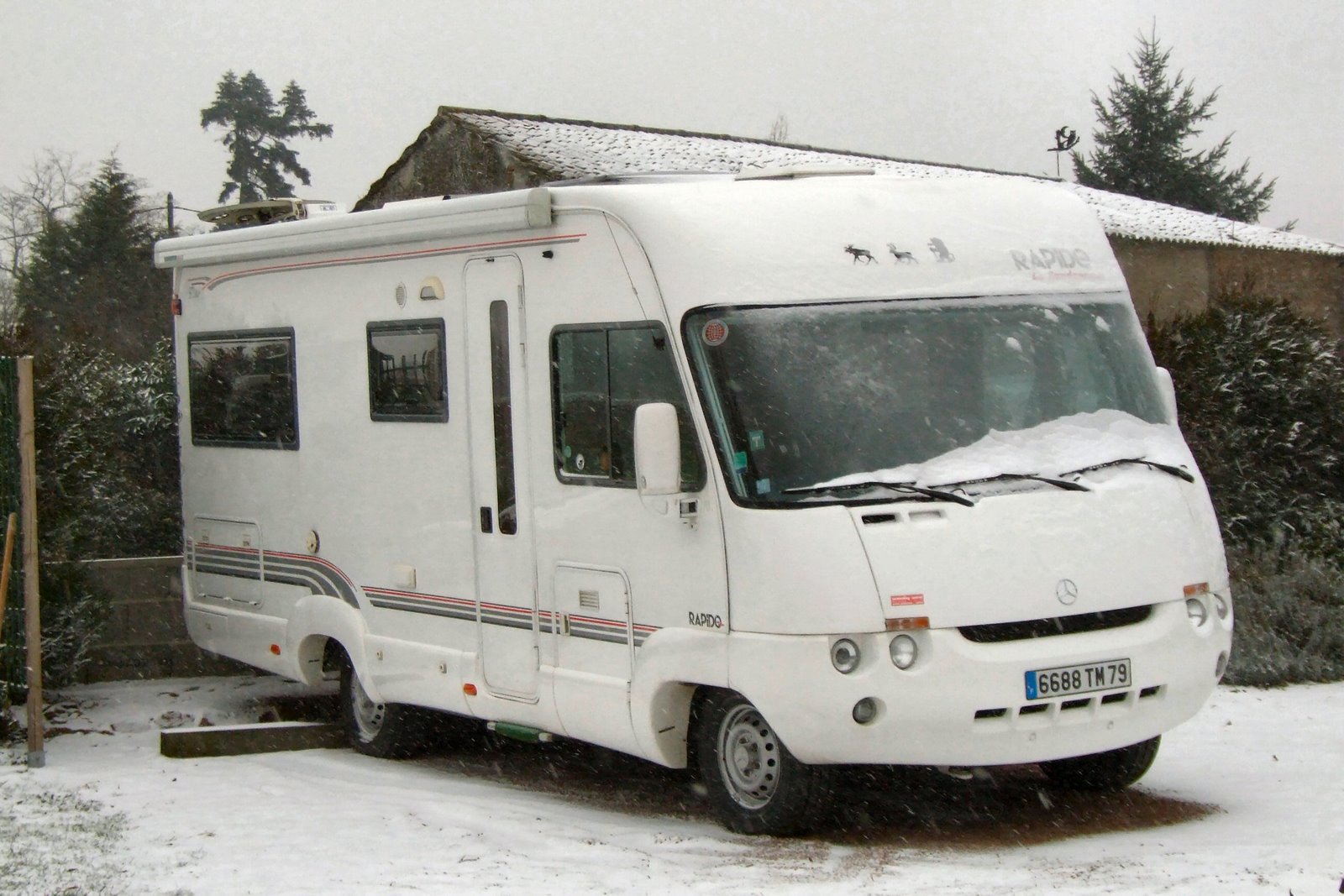
Just back home after a month away. First we met up with friends who came on the North Africa & Middle East Trip in 2006 then we went south. First to the Black Forest then to Engelberg and Lucano in Switzerland. Then to Milan and finally the south of France. Antibes, Cannes, St Tropez, Carcassonne and home. Great short trip just what a camper van was made for.
Where we have been
Paris to Kathmandu
Yes the details are finalised we leave on 5th November, initially heading for Istanbul where we meet up with our small group who will be making this journey.
From Turkey its into Iran and then Pakistan where we hope to cross into India on January 1st. So we travel through India for about 2 months visiting Amritsar, Delhi, Agra, Jaipur, Ahmedabad, Mumbai, Goa, Mangalore, Bangalore, Mahalibalipuram, Nellore, Hyderabad, Sihore, Varanasi, and then onto Kathmandu in Nepal.
Sadly it is not possible to enter Tibet so we go back into India for a few weeks before making the return journey through Pakistan and Iran.
All being well we will be in Cappadocia in late April and we plan to tour the Turkish Coast for most of May before returning home via the Bulgarian Black Sea Coast.
For almost daily updates on this fantastic journey you can follow our posts on facebook (Mike Annan) or on twitter (2escapees).
From Turkey its into Iran and then Pakistan where we hope to cross into India on January 1st. So we travel through India for about 2 months visiting Amritsar, Delhi, Agra, Jaipur, Ahmedabad, Mumbai, Goa, Mangalore, Bangalore, Mahalibalipuram, Nellore, Hyderabad, Sihore, Varanasi, and then onto Kathmandu in Nepal.
Sadly it is not possible to enter Tibet so we go back into India for a few weeks before making the return journey through Pakistan and Iran.
All being well we will be in Cappadocia in late April and we plan to tour the Turkish Coast for most of May before returning home via the Bulgarian Black Sea Coast.
For almost daily updates on this fantastic journey you can follow our posts on facebook (Mike Annan) or on twitter (2escapees).


India & Nepal 2010
Well it looks as though this trip will be going. The plan is to meet our small group of travellers in Istanbul in early December 2009. From there eastwards through Iran and Pakistan before entering India, hopefully on New Years Day. So India in about 2 months visiting Amritsar, Delhi, Agra, Jaipur, Ahmedabad, Mumbai, Goa, Mangalore, Bangalore, Mahalibalipuram, Nellore, Hyderabad, Sihore, Varanasi, and then Kathmandu in Nepal. The return is back into India for another couple of weeks and then Pakistan and home slowly through Iran, Turkey and Greece.
Inshallah
Inshallah
Beijing or bust!
Well we made it! 29,000 kilometers and 18 countries in just under six months. It was fantastic but it is just impossible to summarize the wonders of this trip in a few words. Iran was wonderful, Turkmenistan just like a theme park, Kyrgyzstan was just unexpected and a excellent country to visit, Tash Rabat a very special place. We met some wonderful people and saw some unbelievable sights. China from the Muslim west to Beijing was more than we had expected. Mongolia and the train ride across the Gobi was an experience not to be missed as was Siberia and Kazakhstan.
So to spread the word about making a trip of this kind I am going to write a book which hopefully will get published.
Bon voyage
So to spread the word about making a trip of this kind I am going to write a book which hopefully will get published.
Bon voyage
In the footsteps Of Marco Polo Report 2
Samarkand 30th May 2008
We travel not for trafficking alone
By hotter winds our fiery hearts are fanned
For lust of knowing what should not be known
We take the Golden Road to Samarkand
Whilst it does not seem like it, it was six weeks ago we were in Venice. The ferry to Igoumenista was excellent and having disembarked at 1am and there being no port formalities, not even a passport check, we were quickly on our way to Kalambaka and Meteora. Two days later we past Mount Olympus, shrugged in cloud, and continued past Thessalonika to Asprovalta and finally Alexandroupolis near the Turkish border.
Just three hours beyond the border was Istanbul where we stayed for 4 days in a parking area right in the centre next to the bus station. A tour of the Blue Mosque, Topkapi and the bazaar, where Judith had to buy appropriate clothes for Iran, plus necessary shopping ensued. We left Europe via the Sultan Emit toll bridge and continued to Ankara and onwards to eastern Anatole. Before entering Iran we camped for 2 nights under Mt Ararat and ventured out in a dolmus to see some of the special sites.
Iran was slow to enter with most of the day spent at the border. But once we were there it was totally different to what we had expected. People were very friendly and keen to talk, many speaking excellent English, and even on the roads passing traffic would slow down and wave enthusiastically. Our first stop was at Tabriz and you quickly notice that most cars are old Hillman Hunters in fact that one model of car is said to be responsible for 40% of Iran’s pollution. On the good side a tank full of diesel cost less than 1 euro or 80p but it takes an hour to get to the front of the queue. We continued to Tehran where we camped in a park above the city with great panoramic views. Having visited all the sites we continued south to Esfahan, where many of Iran’s greatest treasures are to be found. From there we headed north across the great salt desert towards the Turkmenistan border.
Entry into this former soviet dictatorship was painfully slow and took most of the day. Bribes had to be paid to various officials to ensure you got the appropriate stamp to move on to the next stage this was of course in addition to the entry fee, diesel tax, compulsory insurance and disinfection charges that had to be paid in US dollars. A lengthy argument took place because some of the group refused to pay the 15$ bribe to the customs officials but they gave in when is time to close the border. Ashgabat must be one of the strangest capitals in the world, more akin to Disneyland with its large marble buildings and gold statues which initially look quite impressive until you get close and see the poor construction and maintenance. It is clearly a country of a few very rich and many very poor. Having driven north to Mary and Merv we stayed an extra day because of visa problems. The Chinese had issued the necessary visas for the entire group but had subsequently decided that we could not enter Tibet Province nor could we travel along the road which was due to carry the Olympic torch. So we now could not enter China until June 30th which meant we needed extended visas for Uzbekistan and Krygkzstan so more bureaucracy and fees.
Compared with our two earlier border crossing it was a pleasure to enter Uzbekistan despite the delays and need for more bribes before we could leave Turkmenistan. We are part way through a 3 week stay in this our second former soviet republic. We had a great stay in Buchara and are now in Samarkand which must be one of the real highlights of our trip. Yesterday among other things we visited the site of grave of Daniel which of course had an adjacent Lion’s den; this is a very moderate Muslim country with pork and alcohol widely available.
This posting is short because of problems finding an internet connection that works; a more detailed account will be available later. So for now we continue to swelter in the 35 degrees heat of Samarkand.
A bientot.
Home to Venice April 2008
In the footsteps of Marco Polo- Part One
It is Tuesday 22 April and we are in Venice at Camping Fusina waiting for our ferry to Igoumenista.
We left home as planned on Wednesday last week and started our journey across France. At first we followed the Loire heading east crossing the swollen river firstly at Saumur and then at Tours and finally at Giens. We stayed the night at an aire de service at Piney which was quiet and easy to find. The following day we continued our journey north east follow the Moselle valley towards Luxembourg. Since we had not passport we hoped the border into Luxembourg was unmanned. We should not have worried because by the state of cleanliness, or total lack of it, the border posts have not been manned for years. We stopped at the first service area to fill up with Diesel because it is cheaper there than anywhere else in Europe at 1.13€ per litre that’s about 90p in UK speak.
From Luxembourg the border into Germany was equally uneventful, and dirty, and by mid afternoon we were at Hausbay where our passports and Carnet de Passage awaited us. An unexpected surprise was Peter and Sieglinde from Graz in Austria were there so we had a pleasant dinner together. They are hoping to lead a small group to South America this November travelling as far south as Terra del Fuego and north through Argentina, Chile, and finishing at Rio de Janerio where the camping cars will be shipped back to Europe on a RORO ferry. I wonder if we can get back in time from Beijing.
On Friday we headed south down the German autobahns towards Basel. Just south of Heidelberg a stone decided to create some damage to our windscreen leaving two large potholes and stars. A quick phone call to ADAC and then a free phone call to Carglass meant we had a appointment in Freiberg for the necessary repair to be undertaken an hour later. Carglass accepted our French insurance and repaired both pieces of damage in less than 45 minutes. So we were quickly on our way again and arrived at Eienwaldii in Engelberg, north of Luzern by 1800hrs, in time for a relaxing sauna and steam! Saturday was a day of rest, plus another sauna and steam trying to get rid of some nasty colds we had managed to pick up.
On Sunday we took the easy route to Venice via the Saint Gotthard tunnel and down to Milan and across to Venice. 500 kilometres and almost all motorway plus the 10.5m (17km) St Gotthard tunnel is free and get you over the Alps in quick time despite the fact that the St Gotthard pass is still closed with snow. Camping Fusina is easy to find and our pitch overlooks the lagoon towards St Marks Square. The site runs an hourly motor launch service to Venice for just 10€ return and a day of sightseeing is just about enough, especially if you take 2 hours to enjoy a leisurely lunch.
Because we want to travel “camping on board” our ferry does not leave till Wednesday at 2pm and we just have to sit here and enjoy the view even if the weather is not particularly good. The trip to Igoumenista takes 23 hours and cost us 226€ for our 7m camper and 2 passengers and we look forward to a pleasant crossing.
2004 Our Eastern Europe Tour.
Moscow and the Golden Ring
May 1st 2004 saw the accession of 10 new states to the European Union and this seemed an ideal time to finalise plans to visit at least four of those together with Russia and Belarus during the summer months. Living in France our journeys throughout Europe are easier than many readers may find, since we can ignore the problems and costs of crossing the English Channel and our standard French insurance covers all the new and old EU states, and all other countries for trips of less than 3 months, without additional costs. Also having been asked to assess campsites in many of these countries, for entry into the Alan Roger’s Guides, we were keen to finalise our trip and to get going.
Our idea was to travel through Switzerland, Austria, and to assess new campsites there, and then go through one of the other new members, the Czech Republic, on route. It always seems to take longer to depart then we think, plus we needed to see the postman, le factuer, since he was going to keep all our post for the 14 weeks our journey was to take. Having confirmed with him the arrangements we duly departed.
By the next afternoon we were queuing at the Swiss Customs Post in the Jura only a few miles from our first nights stop. A quick look at our passports and having asked how much money we had with us we crossed into the only western European country we would visit that wasn’t a EU member. We managed to stop at the Post Office and buy a vignette for the Swiss motorways, which cost 40CHF (£18) for the rest of the year and the period ending 31st January the following year.
During the next 14 days we stayed at and inspected sites, small and large, for possible entry into the Guides. These sites were in the Jura, Valais and Graubünden Cantons and campers had recommended many of them. As well as looking at the sites we had ample opportunity to visit numerous tourist spots including Neuchatel, Lausanne and St Moritz. In Zermatt we could not resist the ride up the cog railway to Cornergrat.
The first sites we were due to inspect in Austria were in the East Tyrol and Carinthia, so our route would take us first into Austria, then into Italy, before going back into Austria. After World War 1, the southern part of the Tyrol became an autonomous province of Italy. So being geographically isolated from other parts of the Tyrol, the East Tyrol (Ost-Tirol) grew closer to its Carinthian neighbour. We bought a 2-month Austrian vignette a few yards past the manned border crossing at the tourist office. It cost 29€ (£16) and is for vehicles up to 3.5 tons, and you need a vignette for a caravan as well as the towing vehicle.
Over 3.5 tons you must purchase a “GO” box which charges a set fee, per km, to a credit card, by prior credit, for every journey you make on an Austrian motorway. The “GO” box is fitted to your windscreen and receives signals from strategically placed transmitters on motorway bridges and signposts. Almost all motor caravans, over 3.5t, would come within category 2 and would be paying € 0.130 per km. At toll tunnels vehicles with a “GO” box have a specific entrance booth and the toll is added to “GO” costs. More information on this system can be found at www.go-maut.at.
Our only problem with the Austrian toll system, having bought the vignette, was having crossed the Europabrücke, the highest road bridge in Europe, before entering the Brenner Pass. A toll of 8€ is payable for vehicles under 3.5T, but the booth attendant looked at our 6.8m A class and asked for the registration papers. Of course this document is in French and shows three weights, 3.15T (empty) 3.5T (maximum) and 5.5T (maximum with trailer). He left the booth to find someone who could decide if our weight was really less than 3.5T. After 15 minutes, he returned non-the wiser and decided to charge the 8€. Apart from that our journey through the Brenner Pass was uneventful, and we were back in Austria later that afternoon. The moral of this lesson is to have a German translation of your registration document for this type of trip.
The next two weeks saw us stay at and inspect numerous campsites in Carinthia, Styria and the Vienna areas. Austrian campsites are excellent, with good facilities, wonderful locations and a very friendly and helpful welcome. One of the best sites we visited was Camping Berghof, on the banks of the Ossiacher See near Villach, which had just about everything as well as a Spar supermarket on site. Although the small site at Bairisch Kolldorf near the Slovakian border in Styria comes a very close second. On route I could not resist a visit to the spa, designed by Hundertwasser, in Blumau, with its very modern design and spa waters at 36o C. That was a great and relaxing diversion. So after about 4 weeks we found ourselves in Vienna ready to enter Czech Republic.
We had agreed not to do the tourist bit in the Czech Republic because we really had to get to Poland and would come back to the Czech Republic and Slovakia another year. The trip to Poland was to serve two purposes, firstly to visit and inspect 15 campsites and secondly to meet some German and English travellers for a group trip into Belarus and Russia. With the group we would visit Moscow and the “Golden Ring” before going north to St Petersburg and returning through the Baltic States, where again we would be inspecting campsites.
After an early morning start we crossed the Czech Republic border close to Poysdorf, on route 7, heading towards Brno. After a couple of kilometres I stopped to buy the necessary motorway vignette at the Shell petrol station. I only had Euros but that presented no problem and I paid 7€ (£4.60) for a 10 day vignette. Strangely this has to be stuck on the right hand side of your windscreen and is valid for vehicles up to 3.5 T. As we approached Olomouc we saw an advert for a soft drink called Semtex and we reminded that not far away is where they mine the real Semtex! Within 4 hours of entering the Czech Republic we were at the border town of Česky Tešin and crossed into Poland with minimal formality. In Poland we planned to initially to inspect 11 campsites and spent the first night at one of the sites in Bielsko Biala. You don’t need a vignette for Poland yet but I have little doubt that will change when all the roads they are building are completed.
The next morning saw us travel the short distance to Oświecim, a name that means very little to most foreigners but its German equivalent, Auschwitz, evokes fear in almost everyone. It was here that the Nazis established their largest concentration and extermination camp. Auschwitz is synonymous with death, cruelty, the annihilation of the Jews and the Holocaust. It is a massive graveyard. No visitor can leave unmoved. The site is now a UNESCO World heritage site.
The next morning we travelled to Wieliczka for a guided tour, in English, of the famous salt mines. It was 2 hours well spent and cost 47Zts (£8) each. Whilst you have to go down over 400 stairs the ride back up in the miners 4 storey lift in total darkness is quite an experience. The mine has been worked for hundreds of years and you descend to the third level 135m (420 feet) during the tour. This is a diversion not to be missed.
So after lunch we made the journey south to Zakopane the Polish winter capital, which is on a par with the best alpine resorts as an upmarket ski resort and is to be home of the winter Olympics in 2006. We camped at a small family site with only 24 pitches just north of the town. While some go hiking in the mountains, we were content to admire the scenery from the windows of a cable car gliding to the summit of Mt Kasprowy Wierch and from the funicular railway ascending Mt Gubalówka. Later in the day we like many other visitors gathered in Krupówki, the town’s central pedestrian area that is lined with cafes, restaurants and numerous souvenir shops. From the campsite you can enjoy views over the tree-clad hills to the west or the snow-capped mountain peaks, all over 2000m, to the south.
Our journey around Poland continued for another 18 days, visiting various campsites all, but one, was of good or of excellent quality and many will make in to the Central Europe version of the Alan Roger’s guide to be published in 2005.
Our journey to Belarus and the Russian Federation was really to start in Warsaw, where we were to meet our fellow travellers either at Tesco’s car park or in a local campsite. We had planned to get to Warsaw about 3 days ahead of the trip starting, since that would give us time to get up to date with the washing and ensure the van was it tiptop condition, at least mechanically. Outside it was already quite dirty but it seemed wrong in a country where water is an expensive commodity to “waste” it washing the camper. We spent the last two nights before Warsaw at a lakeside campsite near Kretowiny and then arrived at the Warsaw site as planned.
A good stop to Tesco’s supermarket, on route, enabled us to stock up. At the campsite and in a few hours all the levels etc had been checked and corrected in our two year old, Mercedes based, Rapido. In reality it only needed oil and screen washer fluid, but at least everything was checked and was OK. The forthcoming four-week journey, would take us to Brest, Minsk, Moscow, St Petersburg, Tallinn, Riga and Vilnius before arriving back in Poland, a total of a further 5000kms (3125m). Our fellow travellers, German and British, duly arrived over the next two days and we talked about the excitement that was ahead of us all. Fortunately we had been learning some German and we, like everyone else, had CB radio fitted to ensure we kept in touch whilst travelling even when a few kilometres apart. Being a group of 13 campers we had arranged an interpreter to be with us from the Belarus border to St Petersburg. You could not do this trip if you cannot read Russian, speak Russian and deal with the numerous Russian police checkpoints, without permanent help.
The Belarus border is some 200 Kilometres from Warsaw and that would take about 4 hours, and our information was that the border formalities could take anything between three and six hours to complete. Fortunately our luck was in, the border formalities took only three hours, the first part is just form filling and bureaucracy, as long as you have the correct visa, and once you have entered Belarus but still not clear of the border formalities you have to pay a transit tax of 16 € and compulsory health insurance of 3 € per person. Border staff were helpful, polite and patient so it was a long but pleasant experience. Once clear of the border, Brest is just 3kms away and we had booked to camp in the Intourist Hotel car park, where electricity is provided, toilets available and because we were quite a large group showers were made available. A Russian Orthodox Priest came to bless the campers for a safe onward journey and we shared the traditional bread and vodka.
We spent a few hours sightseeing in Brest, at the fort and a museum that showed mainly items confiscated at the border, and left the next morning for Minsk. Here we camped just to the west of the town in a former nuclear missile launch site. It is strange to have a missile launcher as a neighbour, as you camp, but the facilities were reasonable and included a restaurant. The campsite had also arranged a day trip for us to see the sights of Minsk with an English-speaking guide. Inevitably we had checked the situation regarding the events of April 25, 1986 when the Chernobyl nuclear reactor exploded. Although Chernobyl is in the Ukraine, an evil dark wind of that day brought 70% of the Chernobyl radiation into Belarus. Hundreds of thousands of Belo Russians have been moved as a result and a large part of the country is a no-go area and will be until perhaps 2525. So we kept well north of the problem area. Our tour of Minsk was fascinating and our first real chance to met Russians going about their daily chores. The large market hall was really surprising and full of good cheap products.
The Russian border is 300 kms from Minsk and again lengthy waits were promised.
Fortunately things went well after what we thought was an initial hiccup, when we were told to follow the HGVs. However within 3 hours all the vehicle formalities were finished. You must have 3rd party insurance for Russia and this cost us 2315 RUR (£46.25) and was purchased at the petrol station just before the border, but it could have been purchased from a Dutch company for the same price before we left home. It does not seem possible to get this from either a French or English insurer. Armed with registration documents, Russian insurance documents (2 copies), Passport for the vehicle owner and customs declaration we queued for the payment of 150 RUR (£3). Then we visited the police office, with the same forms, they issue the necessary importation clearance. I was told in Russian that my new camper had already been imported into Russia, through our interpreter I said that was not the case and the officer muttered something about “b***** computers” and signed and sealed the clearance certificate. When we were all ready we drove through, just showing the clearance form, and we were in Russia, no one checked the visas or passports for passengers. But these had to be taken to the nearest police station when we stopped for the night and another fee of 20RUR (£0.40) is payable.
In about 50kms we were in Smolensk where we camped at a campsite with good showers and a small restaurant, which is well signposted off the main road. Our arrival was planned so the moneychangers we already on site offering better rates than the banks for Euros and US Dollars. They were not interested in the slightest in Sterling and that was a problem we found at many banks in smaller towns. Fortunately there were automats in every town we visited so getting Roubles was never a real problem, particularly important because no petrol stations and very few shops accept plastic and cash is therefore essential.
The next day of our journey into the heart of Russia involved a 380kms drive into Moscow (Mockba) where we were to stay at the Danislovski Monastery, the home of the Patriarch of the Russian Orthodox Church, in our campers. This is a unique arrangement and not generally on offer but it meant that we could spend 3 whole days camping in the centre of Moscow. The 4th Moscow ring road, which we had to use, is something of a nightmare, 6 lanes each way and jam-packed, with endless, rusty, huge Lorries whose chassis’s seemed to be going in a different direction to the vehicle, added to the adventure. The use of the CB made sure we were in the right lane and left at the right exit even if we could not see our fellow travellers. The dreaded message “move to lane 2”, when we were in lane 4, came as a shock but it did seem that Russian drivers were as afraid of us as we were of them and gave us room to manoeuvre.
The monastery is only 4 stops on the metro from the city centre so we had ample opportunity to see the sights of Moscow; the Kremlin, Red Square and enjoy a river trip on the Moscow River and an evening visit to the stunning state circus. Plus of course spending what seemed like endless hours bartering for almost every possible souvenir. At Red Square we came across a very strange sight, the square was closed to pedestrians and guarded by police, to permit a political rally by the communist party. Only 15 people were at the rally, which took place in front of Lenin’s tomb, and it just shows the extent of change since the late 1980s. Sadly our visit to Moscow, only too soon, came to an end.
Leaving Moscow is almost as much fun a arriving. We had to use the newly completed 3rd ring road to get to the M7. From the Monastery we seemed to go in ever decreasing circles until we were on the ring road. It only has 3 lanes each way and was comparatively quiet; once again CB made sure everyone was in the correct lane and exited as necessary. The continuing M7 turned out to be somewhat of a misnomer; it was just like the Old Kent Road in South London. Constant traffic lights, cavernous potholes, pedestrian crossings, chaos and trolley buses made sure that our loose convoy spread out over some distance. That in itself was not a problem since our route was quite clear and were all heading for Vladimer, and the Golden Gate, the beginning of the Golden Ring. Within 45 minutes we were back in the Russian countryside, the now usual mixture of poor farmland, small hamlets, mixed forests, silver birch trees and a large flat plain.
From Vladimir our route would takes us around the Golden Ring, through a series of cities and towns in central Russia, which are remarkable for their ancient history and abundance of historical and cultural monuments. The area became the centre of Russia in the 20th century after Kiev, the mother of Russian cities, had lost its leading role in political and cultural life. In reality most of the monuments are churches, monasteries or convents that were vandalised by the soviet regime. Many were closed, turned into warehouses or swimming pools or even worse left semi derelict for many years; plus a large section of the ring lies in an area that was a prohibited zone for foreigners for many years. It is only over the last 10 to 15 years that they have been returned to the local and religious communities who have been painstakingly restoring them back to former glory. So for the next 10 days we were destined to visit numerous churches, and other religious establishments, learning much about their history and particularly the Icons and artefacts. Our path would lead to Suzdal, Ivanovo, Privolzhsk, Kostroma, Yaroslavl and Sergiev Posad. We would met many fascinating and interesting people and learn much about the Russians and their lives. The photographs that accompany this article give just a brief view of the many interesting buildings that we saw and the sheer beauty of the internal decorations and Icons that adorn their walls. Whilst at the end you might have information overload, you will certainly leave with a sense of awe, compassion and understanding.
Just south of Kostroma we stopped at a small church that was still undergoing renovation. Along side the church were some fairly poor buildings, although lots of building work at the rear showed that new premises were underway. The smaller buildings were an orphanage run by the sisters with 10 residents of varying age. They were expecting us and happily showed us the church and then invited is to the orphanage for tea and an opportunity to see, and discuss, their work. Like most Russian orphanages they are totally dependent on charitable donations to look after the children in their care. We had, fortunately, been warned about this visit and had stocks of new children’s clothes and medical supplies for their use. The visit was fascinating, thought provoking and a highlight of the trip, however, we left wondering what more we could do to help their work.
Russia in many respects, at least in the rural areas is a third world country, poverty is widespread and the lifestyle has to cope with 6 months of freezing weather, with temperatures down to minus 40, followed by 6 months of a very hot humid climate. It is in everyway a country of extremes.
Whilst generally the roads are bad or even worse, the supply of petrol and diesel seemed initially well organised with service stations regularly placed along the main roads. However we were soon to learn that what you see is not necessarily what you get. Almost everywhere diesel was just over 10 Roubles or 20p a litre, petrol was slightly dearer at about 14 Roubles or 28p it might not be the best quality and probably has limited additives but it never caused us any problems. The real problem with fuel supplies, especially when 13 western motor caravans or cars and caravans arrive is have they got any, 3 of our group needed petrol and the rest needed diesel. Twice the diesel was limited so we had to try again after a few kilometres.
But the real challenge was getting served at all, no garage was prepared to open the pumps and let us fill up as normal. Generally the passenger had to stand at the cash desk with a handful of Roubles or you had to pay in advance. Sometimes this meant you were full before the money ran out and rig behind got a windfall of a few litres, or you still had room left for a bit more in which case you paid some more and the pump was switched on again. Always filling up was a lengthy procedure with delays occurring while the cash desk assured itself that the last customer had paid in full before the next could be served, this was even with our two Russian speaking guides being present and actively running backwards and forwards between pumps and till. If you lucky to be at the head of the queue you had plenty of time for a coffee and a rest while everyone else tried to get the fuel they needed. Most of the group could cope with fuel stops every 600kms (375m) but the 3 petrol vehicles always had to stop sooner, we tried all sorts of combinations to speed the process up but in the end resigned ourselves to the inevitable lengthy halts.
Russian campsites are few and far between and certainly not up to western European standards, in reality many are the car parks of hotels or tourist centres. Elsewhere toilets are basic latrines, with large wooden plank seats, and usually are just a hole in the ground. Most are far from being clean and they do tend to smell, they certainly test your strength if you are forced to use them. In some campsites, that were not fairly modern hotel facilities, no member of the group was brave enough to use the site toilets even to empty their own on-board cassette toilet. Good facilities in your caravan or motor caravan are essential as is a very good water filter if you contemplate using the local water, after boiling, for cooking or drinking rather than carrying a larges supply of bottled water. Despite these problems and challenges are journey continued.
On route to St Petersburg we had a brief diversion into Novgorod, a fairly large town with a fascinating Kremlin and Sculpture. We all parked easily in a large car park only a few minutes walk from the Kremlin. Keith who was travelling alone with his caravan went walkabout in the town, as normal, but when it got close to our departure time he realised he was not sure of the way back. Speaking no Russian other than please, thank you etc. he approached a taxi driving who instantly seemed to understand where he wanted to be, so in he got and was quickly transported back to where the rest of the group were waiting. Much to Keith’s surprise the taxi driver refused any payment and seemed pleased that he had been able to reunite another driver with his mobile home. The sculpture is another story, it is metal and shows all the Russian heroes and famous people, and during the war the Nazis, cut it into several pieces so that it could be transported to Germany. The Russians saved the day and recaptured this stunning work of art and rebuilt it. The real problem we had was discussing this with our fellow travellers, in the end we decided to follow the John Cleese maxim of “don’t mention the war”
From Novgorod we continued north to St Petersburg and arrived late afternoon on a Wednesday, the traffic was horrendous. The difference, from our entry to Moscow, is that there are many more western cars in St Petersburg, the majority appearing to be 10 year VW Passats. The city, built by Peter the Great, was built on swampland and spans the River Neva. We had to cross the city centre and the Neva before turning along the quayside for some kilometres to reach the campsite, Hotel Camping Olgino, which is just off the M10 to the north west of the city. The traffic jams just seemed to get worse until we reached a diversion, which having gone around in a circle was going to take us back over the Neva. This was definitely not what we wanted so the whole group was forced to make an illegal left turn at the base of the bridge back onto the quayside. Stunned Russian drivers gazed in amazement at our attics but we did get back on the right road.
The campsite is next to a soviet built conference centre and is perhaps the only western style site we had come across, and it is clearly the only site near St Petersburg. It did have basic facilities, and electricity points, but was somewhat unkempt and a little overgrown, however it was to be our home for 5 nights. The real bonus is that right outside the gates there is a bus stop with a good regular service to the nearby Metro station. So the centre of St Petersburg was less than an hour away and offered lots of tourist opportunities. The Hermitage was something not to miss; my real interest was the display of Rembrandts and Impressionist art. All had been stolen by German troops during the invasion of France and subsequently removed by Soviet troops when they entered Berlin. The inevitable arguments continue, primarily between France and Russia, as to who is the rightful owner. We were told if you spent 1 minute looking at each exhibit you would have to spend 15 years in the Museum. So our half-day tour barely scratched the surface.
Although for me one of the most interesting visits was to the Siege memorial and museum. Leningrad, as it was during the soviet period, was besieged by German troops for some 872 days, and over I.5 million residents died during the siege. However I think I have to concede that the best trip in the City was to Swan Lake performed by the Russian Ballet.
One day we got into the city centre and caught a hydrofoil to Peterhof, Peter the Great’s Palace some way to the west. Although it was totally destroyed during the war it has been painstakingly and lovingly rebuilt since then and is a popular tourist site and is well worth a day trip. In reality St Petersurg has so much to offer you are spoilt for choice so get a good guidebook.
Having left St Petersburg, on our last day in Russia, we stopped just before the town of Kingisepp and filled up with fuel. At this garage we spent the last of our roubles on Vodka etc just to ensure we only had what we needed to leave the country and no more. At the border we had to pay a fee of 50 roubles (£1) but that is subject to change so we had a 50-rouble note and some coins left. You cannot leave Russia with Roubles in you possession.
Before we arrive at Ivangorod and just before the police control point we had to turn into “park ferme”. As we entered we got a form and here we had to pay the fee and in return we got a stamp on our form. We were then allowed, a few vehicles at a time to proceed towards the border. Through 2 control points and then we joined another queue where one at a time we had to report to the window with all your documents, including especially that customs clearance we got when we entered Russia. As directed we then moved forward and our vehicle was searched. At the next window all passengers presented their passports to the same guard who just inspected the vehicle. When this was completed we drove out of Russia but not yet into Estonia. The Estonian border guards spoke English so a quick look at our passports and we were through. Departure was tinged with a mixture of relief and sadness; it had been a wonderful and fascinating journey. We were already beginning to think about our next trip and the possibility of seeing more of Russia despite the language, poor roads and inadequate camping facilities. Everyone we had met was friendly, helpful and kind and we would miss the daily thrills and challenges.
Our journey was to continue through the Baltic States to Poland where our small group of travellers would say their farewells and continues their journeys home. As I said at the beginning it is not possible to undertake a journey like this on your own, and certainly impossible to camp in Moscow. So we are particularly grateful to Perestroika Tours who had organised the tour so efficiently. If you feel up to the challenge then find out more about their tours at www.mir-tours.de You won’t regret it; it will be the journey of a lifetime.
In the Footsteps of Marco Polo
The Silk Road
25,000 kms in 6 months, from mid April until October, will see us travel along the famous Silk Road from the Mediterranean to Beijing. Our return journey will be across the Gobi desert in Mongolia and then across Siberia and almost the whole length of the Russian Federation to Moscow. Back in Europe the final leg of this magnificent journey will be through Belarus, Poland and Germany.
 Our plan is to leave home on the 16th April and take a slow drive to the Italian border near Monaco. All being well our first stop will be Auxerre followed by a ride down the Rhone Valley to Aix en Provence. We will camp at Aires de service along this route rather than campsites since this is a routine we have got used to over the last 6 years. This is a journey we have done many times to begin our earlier journeys to North Africa and the Middle East in 2006, and last year when we toured Sicily, Sardinia, Elba and Tuscany, and earlier in 2005 coming back from Romania, Slovenia and Croatia.
In a day we will drive across northern Italy to Venice, fortunately the motorway across is good but busy and hopefully we will miss the busy periods at Turin and Milan. If our planning has worked we will have a couple of spare days before we catch the ferry to Igoumenista in Greece. This will be the last chance to make sure everything is right with our motorhome and to visit the heart of Venice for some sightseeing and shopping.
On Wednesday 23 our ferry should leave, we are camping on board so our motorhome is loaded on the deck and we sleep and cook as normal in our own home. The trip takes about 24 hours sailing south through the Adriatic Sea past Albania and docking in the Greek mainland opposite the island of Corfu.

A day’s drive from the port is Meteora, with its famous Monasteries. We have camped here before in 2006 and look forward to a meal in nearby Kalambaka. From there we head for Thessaloniki on route to Alexandropoulos and the Turkish border.

Fortunately Istanbul is only about 3 hours drive from the border, and a good campsite can be found near the airport. This is a great base to visit the Souk, the Blue Mosque and from previous experience the restaurants in the Fish Market.
The Silk Road originally ended at Antioch, now called Antakya, which is on the Mediterranean coast near the border with Syria. We visited there in 2006 after leaving Syria and interestingly it is the place where the followers of Christ were first called Christians even though it is now a Muslim country.
From Istanbul we leave Europe and continue our eastern trek via Ankara, the capital, to Mount Ararat and the Iran border. We will take the northern route to stay well clear of the Iraqi border and the Kurdish homeland. The snow will have just cleared and the mountain passes should be clear and open. Fortunately we have got used to the endless queues and delays at border crossings and I am sure that entering Iran will be no different even though we have visas and all the correct documentation. We have been warned that attempting to import alcohol or pork is a criminal offence so we will finish any wine we have left. As I write this we have just had 16 photos taken and printed off the 36 pages of application forms for all the visas. The documentation for entering with your own vehicle is endless and when we will be coping with 12 languages and 12 currencies you can appreciate the amusement. The route has buffer days built into avoid problems and that is hopefully enough to cope with delays, extra stops and the poor roads.

Our journey through Iran takes us to Tabriz and then to the capital Tehran. Here our German friends have arranged for us to camp on the University Campus which gives us ample opportunity to see the sights. From there we go to Esfahan and then Mashhad towards Turkmenistan. Given the relationship Iran has with the “West” this part of our route should be particularly interesting. Someone who did the route a couple of years ago said the Iranians were very friendly and keen to talk to westerners who took the trouble to visit their country. Esfahan is one of the oldest cities in Iran, at least 2500 years old, and was the Persian capital for hundreds of years. I cannot wait to see the Khajou Bridge, which looks quite spectacular, over the large river The Zayandeh-Rood.
The Silk Road had many routes through the mountains and we will be taking the northern route to avoid Afghanistan. So next stop Turkmenistan and a full day almost certainly spent in a series of windswept compounds as we tackle another border crossing. By now we have been travelling for 5 weeks and the last week of May is approaching.

We will only be in this country for 4 or 5 days on route to Samarkand but will have time to visit Ashgabat, the capital, Mary and Turkmenabat which is a hub for the Trans-Caspian Railway. This former soviet state will be a real contrast to the Islamic Iran and our 6th country and another chance to try and understand the Cyrillic alphabet. The following quote probably sums up this country “the most curious of the Central Asian republics, Turkmenistan resembles an Arab Gulf state without the money. It's the second largest Central Asian country, but four-fifths of it consists of an inhospitable lunar-like desert called the Karakum which conceals unexploited oil and gas deposits.”
We leave Turkmenistan and head towards Bukhara in Uzbekistan.

We are in Uzbekistan for about 10 days so plan to spend time in Samarkand and Tashkent before heading towards Fergana and the Kyrgyzstan border. Samarkand has existed since 700BC and although not in Iran the locals speak Iranian (Farsi). Conquered by almost everyone since Alexander the Great in 329BC it is now a UNESCO World heritage site. Tashkent, the capital of Uzbekistan, now with a population of over 3 million, started as an Oasis on the Chirchik River and was destroyed by Genghis Khan in 1219.
Lonely Planet says that Uzbekistan, in the ancient cradle between the Amu-Darya and Syr-Darya rivers, is the most historically fascinating of the Central Asian republics. Within it are some of the oldest towns in the world, some of the Silk Road's main centres and most of the region's architectural splendours.
Hopefully the border formalities in Kyrgyzstan will only take a few hours but you soon learn to just join the numerous queues.

This simplified map of Kyrgyzstan fails to show the mountainous nature of this small central Asian Republic so our route is somewhat circuitous and takes 10 days to get to the Torugart Pass. If the roads are passable we should go through Toktogul, Bishkek, Naryn and At-Bashy before trying the infamous mountain pass into China. The national sport of kok boru resembles an all-out brawl on horseback. All you need is a dead goat and a pony with a death wish. The actual rules are obscure (I'm not sure there are any) but it's got to be exciting to watch - especially when a quick little kid makes off with the headless carcass, hotly pursued by a mass of angry riders.
Kyrgyzstan we have been told is rich in forgotten traditions, friendly people and towering mountains, and one way or another it has a habit of leaving travellers flabbergasted and breathless - and not just from the altitude.
The Torugart Pass, in the Tian Shan Mountain range, rises to an elevation of 3,752 m (12,310 ft) and is totally impassable for 6 months a year. Every place we look it says this border crossing is not open to foreigners but we know it has been done so it should be interesting when we get there. You can never take photographs at borders so this photo of the Chinese border from web is the best we are going to get.

We remain assured that the small border post will not only be open but it will process our entry into the People’s Republic of China. Here we get Chinese number plates and driving licence plus we should meet our Chinese guide because you cannot, as foreigners, drive through China without your official guide. Fortunately as we are a group the costs are shared so it becomes reasonable economical.

From the border we remain on the Silk Road down to Kashgar, which is still at a height of 1,290m, before turning north east towards Turpan. It sounds simple but we have first to tackle the Taklamakan Desert described as the bleakest place on Earth. This is a cold desert with temperatures falling to -20 during the winter and recently and for the first time it was completely covered in over 1 inch of snow. The Chinese have built a cross-desert highway across the barren landscape so we will just have to find out what that means and how good it is when we get there.
This photo, of the Taklamakan Desert, makes the Sahara look a piece of cake and not for the feint hearted. With the desert behinds us we reach Turpan and more importantly the Turpan Depression which is the second lowest exposed point on the Earth’s surface, after the Dead Sea which we went to in 2006. At the centre of the basin lies the Moonlight Lake at 155m below sea level.
By the time we leave Turpan it should be late June and we will have done 10,000 kms. From this point we drive almost directly east for a further 3300 kms towards Xian. The journey to Xian will take over 2 weeks and that will give us plenty of time to visit many interesting sights and sites on route. We will go through Hami, Minghoshan, Jiayuguan, Wuwei, Lanzhou and Tianshui (only recently opened to tourists). Lanzhou at an altitude of 1500m is at the headwater of the Yellow River and is dotted with Parks, Temples and Pagodas just in case we haven’t enough by then. We visited Xian in 1994 and are keen to see how the Chinese have continued the excavation of the Terracotta Army and the Tomb of Qin Shi Huangdi. Xian was always seen as the end or indeed the beginning of the Silk Road so from there we tread a new path of our own design. In fact we will take two weeks to do the 1200 kms to Beijing via Luoyang.
As you would expect the Chinese authorities won’t let us camp in the middle of Beijing so our one week stay there is in a Hotel with our campers parked outside, with 24 hour guards, and plugged into the mains electricity (this is exactly what we had to do in Aswan in Egypt in 2006). I am going to speak to Mercedes Benz this week to see where the local dealer is and ask them to translate “Can you change my oil and filter”. We have visited Beijing before but I am sure we will go again to the Summer Place and the Forbidden City because they were so fascinating.
Driving through Beijing is going to interesting as the population exceeds 17,000,000 and if that song is right there are 9 million bicycles there so it might be a little slow going.
As we leave Beijing it will be less than a week before the 2008 Olympics begin, but we know all the tickets have been sold already and prices of everything will just go up so time to leave. From Beijing we head North West towards Mongolia going through Datong, Daihai-See and Sisiwang Qi to Erenhot the border town.

We enter Mongolia on 31 July (day 110). Almost immediately we are in the Gobi Desert and the roads there are so bad we have to put our camper on a flat bed train and spend two days crossing the desert.

This photo was taken by a friend who joined a Perestroika group to do this trip and everyone just lives and sleeps in the van for the 3 day journey. When we detrain we are in Ulaanbaatar the capital of Mongolia.
Due to its high elevation (1350m), relatively high latitude, and location hundreds of kilometres from any coast, Ulaanbaatar is the coldest national capital in the world with brief, warm summers and long, very cold and dry winters. It has an average annual temperature of -1.3 °C (29.7 °F). I get the impression there is little sightseeing opportunity but am sure the shops and restaurants have much to offer. We leave the capital and head for the Russian border at Sukhbaatar.

Having entered Russia before from Belarus in 2004 we know what to expect, we will have our visa but need Russian Insurance for the van and the essential vignette. Then they move you from compound to compound and having finally searched the vehicle and stamped everything we are free to leave.
The first town we encounter is Irkutsk near Lake Baikal, said to be the deepest in the world, and from there we have a 7,000 kms drive to Moscow across Siberia. Winters here start quite early so we are planning to be in Moscow by the second week of September so that we get the “best” of the weather. Our journey across Siberia will take us to Tajset, Krasnojrsk, Novosibirsk, Omsk, Golischmanovo, Kurgan, Miass and Kazan. From there we enter Europe and the Volga basin and take the final road to Nishnj Novogrod and Moscow. Judith has found the names of all these places in Russian and armed with our 3€ Russian road atlas, printed totally in the Cyrillic alphabet, we should be able to find the route without too many diversions. It is going to take almost a month to cross Siberia so we have lots of time to look at what, if anything, there is too see. We just got two books of this part of the trip to read so I am sure when the time comes we will have quite a bit planned but at the moment it seems to be a long way off.
After a couple of days in Moscow we head for Smolensk and the border with Belarus. The exit from Russia is likely to be just as lengthy and boring with the usual searches. Of course we stop at the very last place to fill with diesel and spend our last roubles because you technically can’t take them out of the country.

Entry into Belarus from previous experience is quite quick, only a couple of hours, once we have paid the compulsory contribution to the state health system. From the border we go to Minsk and if I am right we will camp in a small wood where there is a soviet missile launcher facing west. When I asked last time we were there the only answer I could get was “Berlin 7 minutes!” Belarus still suffers badly from the Chernobyl disaster with many people dying every year from radiation illness; indeed a large part of the country is still unoccupied. We move on to Brest where I hope we can meet a friend, Sergey, who was our guide in 2004, before crossing the border into Poland and back into the European Union.

In a couple of hours we will be in Warsaw having driven at least 25,000 kms in 156 days. If all goes well we will be home in early October.
2007 Sardina & Sicily
Destination Sicily & Sardinia
During May & June 2007 my wife, Judith, and I had the ideal opportunity to explore
Our journey to
For many people the first mention of
As you leave the port there are signs for two campsites, both are good, but if you want to stay a few days, and recharge your batteries, then I would suggest Il Peloritano at Rodia. It is easy to find on the SS113 and is just 30kms (18 miles) from
Our onward journey was to take us on a clockwise trip around the Island and as we wanted to visit Mount Etna and hopefully
Mount Etna (3323m) is the island’s most prominent landmark and
Our continuing journey took us south, past the petrochemical industry that has taken over the coastline between
After a night’s rest we continued to Punta Braccetto, south of
Well having eaten the fish, and got out of the washing up, it seems an appropriate moment to mention Sicilian cuisine. Sicilians aren’t big on antipasta so you can concentrate on the prima plati and secondi plati. I particularly liked Pasta alla Norma with its rich combination of tomatoes, aubergine and salted ricotta which was named in tribute to the composer of Norma, Vincenzo Bellini. Another particular favourite was Pesce Spada alla Messinese, swordfish done in a way only the Sicilians could perfect; truly mouth-watering. I hope to find, during the next week, somewhere with coniglio all’agrodolce on the menu, sweet and sour rabbit in a sauce flavoured with garlic, olive oil, onions, bay leaves and rosemary. If that doesn’t entice you here then you could try one of excellent pizzas, the problem there is pizza at home will never be the same. Enough of food, the ice cream man will be here soon and I want to try the Granita a drink made of crushed ice and fruit juice or if you prefer with coffee and fresh whipped cream.
A very short diversion took us to the Mercedes Benz dealer in Modica, who had ordered a new motor for the air-con fan, this was fitted in 15 minutes and we were back on our way. We stayed the next night near
We rely on GPS navigation for planning our journeys and the computer said the shortest route for the remaining sites was first to travel north, across the middle of the island and then continue anticlockwise to finish at Trapani for the ferry to Sardinia which we had already booked a few days earlier. So we set off on that route and were glad we did because we saw so much of the central region and drove on good roads all the way across Our next stop was near Finale on the north coast were we stayed at Camping Rais Gerbi a truly excellent site and although it is cut almost in half by the coastal railway line it makes up for that which excellent pitches and facilities. The view we had for breakfast was truly magnificent.
A short way west along the autostrada is
With just two days left on this beautiful island we had 2 sites to visit before catching the weekly ferry from
Sardinia
Our journey to Sardinia, by ferry from
We docked at
The next day we headed towards San Antioco, a much smaller island in the far south west corner and quickly drove the 12kms on this island to Camping Tonnara located in the beautiful Cala Sapone bay. This is a delightful site with most pitches having views of the small bay and sandy beach to which the site has direct access. It has a restaurant selling excellent fish dishes between April and September, and its only downfall is that its “drinking” water is bought in by tanker and is not really what you would want to drink. So you have to rely on bottled water for drinking, the site supply is fine for cooking, washing and cleaning but you would be wise not to try to fill your tank here, in fact try to arrive with your tank full. This minor problem should not put you off what is an excellent campsite in an idyllic location.
Sardinia is about 270 miles long by about 90 miles wide and has had a similar lengthy history to Sicily, with the added factor that is was conquered by the Spanish and occupied for over 300 years before being ceded to the Austrians, so inevitably it is very different to Sicily. For many the nuraghe (stone tower) builders embodied the seeds of a nation, the integrity of which has long since been guarded by the shepherds of Barbagia. Astonishingly, millions of euros designated by the EU for Sardinian developments were withdrawn not - because of any shady dealing but because
Our journey took us from the south west to the south east, but not before we had visited Carbonia, a city built by Mussolini in 1938. It has retained its Fascist town planning and architectural conception but has long since lost its principal raison d’etre of being the capital of the Sardinian coal industry. The south east coast is the home of many campsites and we were to visit three along the Costa Rei before venturing north towards the Parco Nazionale del Golfo Gennargentu and Siniscola, where we would again cross the island to the west coast. Here we could continue a clockwise trip to Olbia in the north east, near where the Aga Khan and a group of his friends bought a 10km (6 mile) stretch of coast line to create Costa Smeralda.
On the Costa Rei the small campsite, Capo Ferrato, was particularly nice, it accepts camping cheques, and has good deals in the low season and it is close to the new SS125 and runs along an excellent beach. During June and September they run short courses entitled “Discovering Sardinia - Gastronomy and Culture” which sounded very interesting and great fun. Don’t forget to try the Mirto, a liqueur made from the leaves and berries of the myrtle plant. After a very wet Sunday; our drive on the Monday took us through the
Before we reached Siniscola we stopped to assess a couple of campsites near Arbatax, a busy ferry port, with regular connections to the mainland. But for me most importantly it is the terminus of the Trenino Verdi, a narrow gauge railway that goes south to
As you drive along the generally quiet roads you begin to notice a few things. In the past
In Budoni, a bustling seaside town north of Siniscola, we stayed at the Pedra E Cupa campsite which had good facilities and pitches and access to a beautiful quiet beach. The day after we headed south west to look at a somewhat unusual site, for the Alan Roger’s guides, an Agrituristica near to Nuoro. Recommended by a reader this very small site, only 9 pitches, is part of a large organic farm owned by Giovanni di Costa. I am sure Azienda Agrituristica Costiolu will find its way into the 2008 guides and will be visited by many looking for a quiet resting place high up in the
Our journey continued south west to Oristano and then we followed the coast north to Alghero via the interesting town of
After visiting Porto Torres, known to the Romans as Turris Libisonis, where I managed to get a haircut, we continued north east along the coast to Valledoria and Camping Le Foce where we spent a very pleasant weekend.
This excellent site offers kayaks to rent, bird-watching boat trips along the river and a shuttle boat service to a remote white sandy beach. The site accepts camping cheques right through to early July so offers excellent value for low season campers. At the site we enjoyed some typical Sardinian cuisine I had Malloreddus, gnocchi like dumplings served with fresh tomato sauce and minced sausage. And we could not resist the Sebadas, fritters stuffed with cheese and lemon peel, then fried and served with local honey. Judith had tried the Buccinis, a type of mollusc and the Arselle, clams, with Cozze, mussels, in Alghero and we had bought some Porceddu, roast suckling pig in a supermarket and that made an excellent lunch on the road one day.
We had also enjoyed the local red (Cannonau) and white (Vermentino) wine and bought some Mirto and Lemoncello to take home as a lasting memory of a magical stay in
On route to Camping Villaggio Isuledda, north of Gannigioni, we stopped to explore another Nuraghe. In fact there are over 7,000 of these distinctive truncated stone cones in
Isuledda is a great campsite, our pitch is on a small promontory, almost entirely surrounded by the turquoise sea, and as I sit and finish this article the dolphins are swimming across the gulf enjoying the warmth of the sun and the refreshing breeze. The site has excellent facilities and offers diving, windsurfing and sailing plus you can hire boats, cars, cycles and scooters.
Our return journey from Olbia to Civitavecchia, north of Rome, takes 5 hours on the Tirrenia vessel Nuraghe, departing at 12 noon, at a cost of 239€. From there our trip continues through
Bon Voyage.
Subscribe to:
Posts (Atom)